Choosing the right tech stack is one of the most critical decisions for any startup. In 2026, the technology landscape is evolving rapidly, with new frameworks, AI tools, and cloud solutions emerging constantly.
A well-chosen tech stack can accelerate development, reduce costs, and ensure scalability, while the wrong choice can lead to technical debt and slow growth.
At NexaSoftech, we help startups build scalable and future-ready products. In this blog, we break down how to choose the right tech stack for your startup and make decisions that support long-term success.
What Is a Tech Stack?
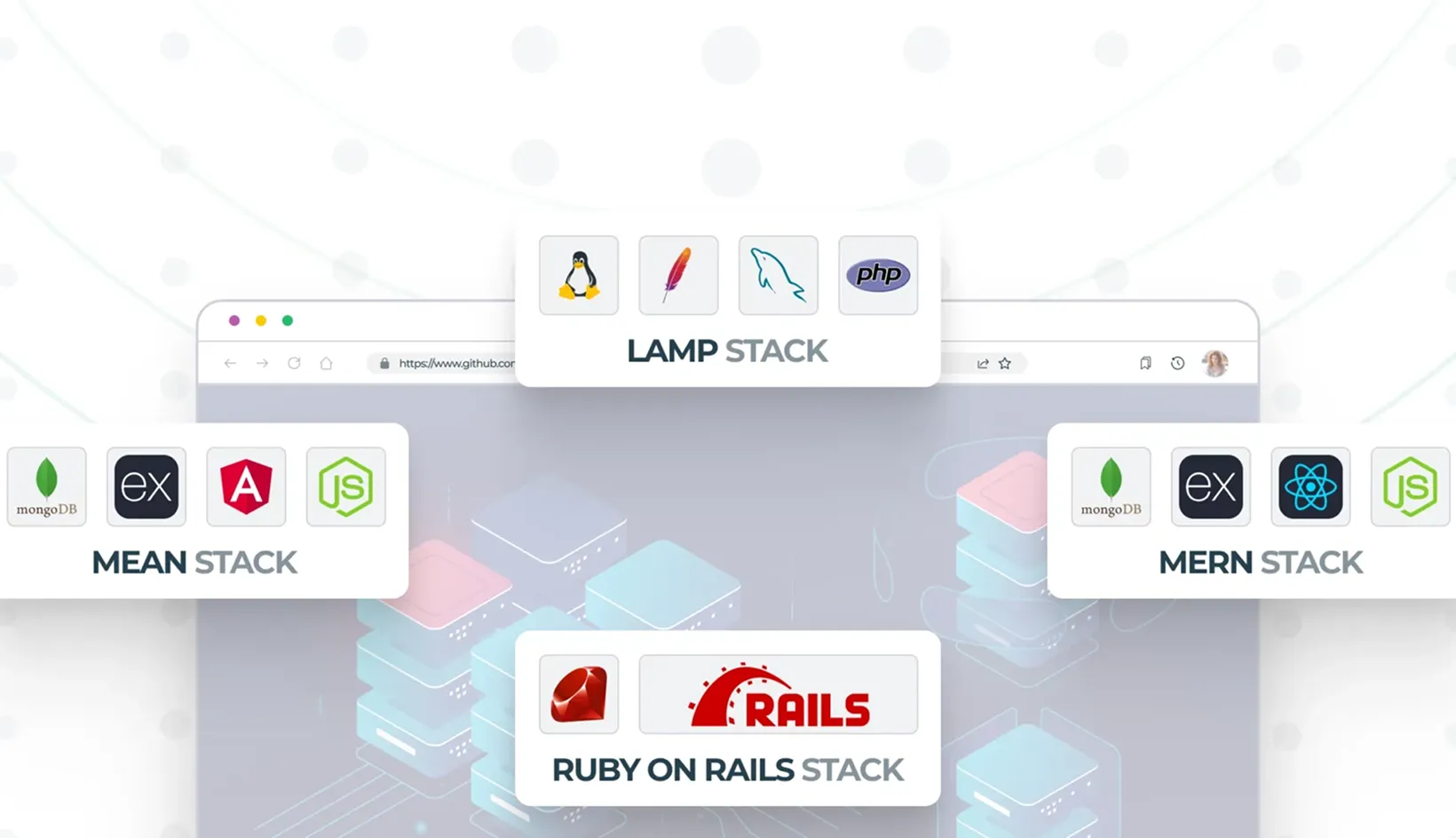
A tech stack refers to the combination of technologies used to build and run an application.
It typically includes:
- Frontend technologies (user interface)
- Backend technologies (server-side logic)
- Database systems
- Cloud infrastructure and hosting
- APIs and integrations
Selecting the right combination ensures your product is efficient, scalable, and easy to maintain.
Key Factors to Consider When Choosing a Tech Stack
Startups should evaluate multiple factors before finalizing their technology choices:
1. Product Requirements
Understand what your product needs in terms of performance, scalability, and features.
2. Time to Market
Choose technologies that allow faster development and quick launch.
3. Scalability
Ensure your stack can handle growth in users and data over time.
4. Development Cost
Consider both initial development and long-term maintenance costs.
5. Team Expertise
Select technologies your team is familiar with or can quickly adopt.
Frontend Technologies for Startups
The frontend defines how users interact with your product. In 2026, modern frameworks focus on performance and user experience:
- React.js and Next.js for scalable web applications
- Vue.js for simplicity and flexibility
- Tailwind CSS for rapid UI development
- Progressive Web Apps (PWAs) for mobile-like experiences
Choosing the right frontend ensures better user engagement and faster performance.
Backend Technologies and Architecture
The backend powers your application logic and data processing:
- Node.js and Nest.js for scalable and efficient APIs
- Python (Django/FastAPI) for AI and data-driven applications
- Microservices architecture for large-scale systems
- REST and GraphQL APIs for flexible communication
A strong backend ensures reliability, scalability, and maintainability.
Database and Data Management
Choosing the right database depends on your application needs:
- SQL databases (PostgreSQL, MySQL) for structured data
- NoSQL databases (MongoDB, Firebase) for flexibility
- Real-time databases for live applications
- Data pipelines for analytics and AI integration
Efficient data management is crucial for performance and insights.
Cloud and Infrastructure
Cloud platforms enable startups to scale without heavy upfront investment:
- AWS, Google Cloud, and Azure for scalable infrastructure
- Serverless architecture for cost efficiency
- Docker and Kubernetes for containerization and deployment
- CI/CD pipelines for automated development workflows
Cloud-first approaches help startups grow faster and manage resources efficiently.
Role of AI in Modern Tech Stacks
AI is becoming an essential part of startup tech stacks in 2026:
- AI APIs for natural language processing and automation
- Machine learning models for predictions and insights
- AI copilots for improving development productivity
- Data analytics tools for smarter decision-making
Integrating AI early can give startups a strong competitive advantage.
Common Mistakes to Avoid
Startups often make mistakes when selecting their tech stack:
- Overengineering the product too early
- Choosing trending technologies without clear need
- Ignoring scalability and future requirements
- Not considering team expertise
Avoiding these mistakes can save time, cost, and effort.
Best Practices for Startups
To make the right decision, startups should follow these best practices:
1. Start Simple - Focus on MVP and iterate
2. Prioritize Scalability - Plan for future growth
3. Use Proven Technologies - Avoid unnecessary risks
4. Leverage Cloud and AI - Build modern, efficient systems
5. Continuously Optimize - Improve based on feedback and usage
Conclusion
Choosing the right tech stack is a strategic decision that directly impacts your startup's success.
By aligning technology choices with business goals, startups can build scalable, efficient, and future-ready products.
At NexaSoftech, we help startups select and implement the right tech stack to accelerate development and ensure long-term growth.